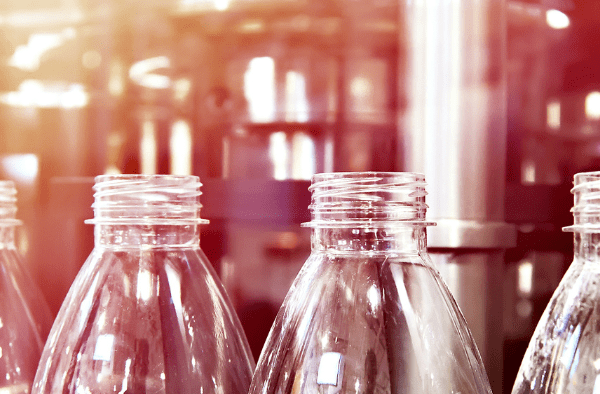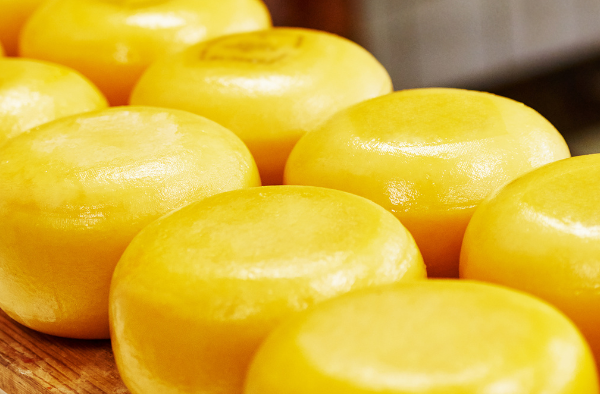
Your Food & Beverage Manufacturing company has risk from all aspects of industry operations. BDI helps you identify and prepare for them from an insurance perspective so you don’t have devastating effects on your company.
What Kind of Insurance is Required for Food Manufacturing Businesses?
When operating a food manufacturing business, securing the right insurance is essential. The types of coverage needed can vary, but there are a few key policies you should consider to protect your interests and meet legal and industry requirements:
General Liability Insurance: This is often a mandatory requirement imposed by landlords, commissaries, and event organizers. General liability insurance safeguards against claims of bodily injury, property damage, and personal injury that may occur on your business premises.
Product Liability Insurance: Since food manufacturing involves creating consumable goods, there’s a risk that your product could cause harm to consumers. Product liability insurance covers legal fees and settlements in the event that someone becomes ill or injured from your product.
Commercial Property Insurance: This type of insurance covers physical assets such as your manufacturing equipment, inventory, and the building itself against risks like fire, theft, and natural disasters.
Workers’ Compensation Insurance: If you have employees, most states require you to carry workers’ compensation insurance. This policy covers medical expenses and lost wages for employees who get injured or fall ill due to workplace conditions.
Equipment Breakdown Insurance: Manufacturing equipment is a critical asset. If it breaks down, your operations could come to a halt. Equipment breakdown insurance helps cover the costs of repairs or replacements and might also cover lost income during the downtime.
Ensuring you have these key types of insurance will help protect your business from common risks and fulfill contractual obligations, making your operations smoother and more secure.
The Food & Beverage Manufacturing industry is a dynamic sector comprising products consumed daily by individuals, which require regular replenishment or replacement. This includes a wide range of items such as food, beverages, snacks, and household products.
Despite a recent industry slow-down, McKinsey reports that the Food & Beverage Manufacturing industry remains one of the largest sectors in North America, valued at approximately $2 trillion.
As a manufacturer, distributor, or importer in the Food & Beverage Manufacturing industry, your business faces unique risks. These include liabilities associated with product recalls and product liability claims. At Barnard Donegan Insurance, our Special Risk Division has developed comprehensive insurance and risk management programs tailored to address these specific liabilities for companies in the Food & Beverage sector.
Areas of Specialty
Our expertise extends across a variety of segments within the Food & Beverage Manufacturing industry, including:
Food
Beverages
Household Goods
Personal Goods
Beauty Products
Vitamins and Supplements
Commercial Insurance Products
We offer a wide range of commercial insurance products designed to meet the unique needs of the Food & Beverage Manufacturing industry. Working with an industry specialist ensures that your business is protected with the most suitable coverage and risk management strategies. Explore our offerings and discover how we can help safeguard your business.
Products Liability
Discontinued Products Liability
Product Recall
Director’s and Officer’s Liability (Public or Private)
Consumer Packaged Goods (CPG) companies typically need several types of coverage, including product liability, product recall, business interruption, property damage, general liability, workers’ compensation, commercial auto, and umbrella policies. The exact coverage you need depends on your specific operations, risk factors, and any contractual obligations.
Absolutely, especially if your products are distributed through large retailers. Many major retailers and grocery chains require Product Recall Insurance. This coverage helps protect your business from the financial consequences of recalls and ensures you meet retailer requirements.
The cost of insurance for a CPG company is influenced by several factors, including the size of your business, the types of products you produce, your risk exposure, and your claims history. Other factors such as location, regulations, and the value of your assets also affect pricing.
Yes, there are opportunities to lower your premiums. If your company has strong risk management practices, a good safety record, or bundles policies like product liability and recall insurance, you could qualify for discounts.
Product Liability Insurance provides coverage in case of claims related to product defects, injuries, or legal actions involving your products. This coverage is crucial to protect your business from the financial fallout of lawsuits related to product issues.
The amount of coverage depends on the nature of your products and the scale of your operations. Businesses that produce high-risk items, like food and beverages, typically require higher coverage limits to cover the costs associated with large-scale recalls.
If your company faces a lawsuit due to a defective product, Product Liability Insurance will cover your legal defense, settlements, and any damages awarded. Without this coverage, a lawsuit could cause severe financial strain and damage your company’s reputation.
Product Liability Insurance covers claims resulting from injuries or damages caused by your products, whereas Product Recall Insurance specifically covers the costs of removing defective or contaminated products from the marketplace.
Yes, Business Interruption Insurance is essential. It protects your business if operations are interrupted due to unforeseen circumstances like natural disasters or supply chain disruptions, helping you recover lost income and additional costs during downtime.
Start Your Food & Beverage Manufacturing Quote Below
Get a Free Quote and Cost Savings Review Today
injury, lawsuit, property, manufacturing, product recall, property insurance, employment, risk, liability insurance, vehicle insurance, risk management, property damage, policy, accident, employee benefits, hazard, life insurance, flood, cyber insurance, food processing, underwriting, product liability, plastic, safety, expense, machine, insurance policy, productivity, income, supply chain, contract, metal, personal injury, customer, surety, textile, liability, manufacturers insurance, insured, insurance coverage, business insurance, professional liability, general liability insurance, commercial property insurance, manufacturing insurance, general liability, business insurance cover, employees, equipment, hygiene, retail, construction, zip code, data breach, engine, reinsurance, water damage, ergonomics, employment practices liability, damages, theft, workforce, benchmarking, automation, meat, metalworking, pollution, contamination, deductible, nursing, failure, agribusiness, credit, enterprise risk management, brand, fraud, classic car, wood, landscape, workplace, automotive industry, knowledge, dairy, risks, manufacturing resources, business owners, manufacturing industry, coverage, advanced manufacturing, small business owners, risk management services, business income insurance, manufacturing company, welding, auto insurance, injuries, commercial auto, general, commercial auto insurance, food manufacturers insurance, slip and fall, commercial general liability insurance, transport, factory, shortage, cybercrime, sustainability, equipment breakdown coverage, risk solutions, equipment breakdown, roadside assistance, legal liability, professional liability insurance, food and beverage insurance, food truck, liquor, payroll, foodborne illness, defamation, wage, catering, inventory, liquor liability insurance, product liability insurance, insurance carriers, restaurant insurance, liquor liability, liability coverage, general liability coverage, business owners policy, general liability policy, aggregate limit, insurance quote, food & beverage insurance, cyberattack, food cart, food spoilage, chef, cash, cart, revenue, reputation, business interruption insurance, power outage, extortion, cream, price, lease, license, insurance drink
Frequently Asked Questions
What is food and beverage insurance?
Food and beverage insurance is a specialized coverage designed to protect businesses in the food and beverage industry from various risks, including property damage, liability claims, and loss of inventory.
What insurance does a food business need?
The insurance a food business needs typically includes general liability, product liability, property insurance, and workers' compensation. These policies help protect against various risks associated with food handling and operations.
What is food insurance?
Food insurance is a type of coverage designed to protect against financial losses related to food spoilage, contamination, or delivery issues, ensuring businesses can manage risks and maintain continuity in operations.
How to insure a food truck?
Insuring a food truck involves obtaining a commercial auto insurance policy that covers vehicle damage, liability, and food products. It's advisable to consult with an insurance agent who specializes in food service vehicles to tailor coverage to your specific needs.
What does a food manufacturer do?
Food manufacturers produce and process food products by sourcing raw ingredients, transforming them into consumable goods, and packaging them for distribution, ensuring safety, quality, and compliance with industry regulations.
What types of coverage does food insurance include?
The types of coverage included in food insurance are typically protection against food spoilage, contamination, equipment breakdown, and liability for foodborne illnesses. This coverage helps businesses mitigate losses and ensure operational continuity.
How can food and beverage insurance protect businesses?
Food and beverage insurance can protect businesses by covering losses related to property damage, liability claims, and business interruptions, ensuring financial stability and peace of mind in the face of unforeseen events.
What factors affect food business insurance costs?
The factors that affect food business insurance costs include the type of food service, location, employee count, the value of inventory and equipment, risk management practices, and claims history. Each of these variables influences the premium rates and coverage options.
Is liability insurance essential for food manufacturers?
Liability insurance is essential for food manufacturers. It protects against potential claims resulting from product-related injuries or damages, ensuring financial security and compliance with industry regulations while fostering consumer trust.
What policy options exist for food manufacturing insurance?
The policy options for food manufacturing insurance include general liability, product liability, property insurance, and business interruption coverage, all tailored to protect against industry-specific risks and ensure operational continuity.
How to determine food insurance coverage limits?
Determining food insurance coverage limits involves assessing your business's specific needs, evaluating potential risks, and reviewing your insurance policy options. Consult with an insurance agent to find the right coverage tailored to your operational requirements.
What are common exclusions in food insurance policies?
Common exclusions in food insurance policies typically include spoilage due to power outages, damage from improper food handling, and losses related to natural disasters or pests. It’s essential to review your policy for specific terms.
What is the process for filing a food insurance claim?
The process for filing a food insurance claim involves notifying your insurance provider promptly, documenting any damages or loss, and submitting the required forms along with supporting evidence to facilitate a smooth claims process.
How does food insurance differ from regular business insurance?
Food insurance differs from regular business insurance in that it specifically covers risks related to the food industry, such as spoilage, contamination, and equipment failure, while general business insurance provides broader coverage across various sectors without these specialized factors.
Are there specialized plans for food truck insurance?
Specialized plans for food truck insurance exist to address the unique risks and needs associated with operating a food truck. These plans typically cover liability, equipment, and vehicle insurance tailored specifically for food service businesses.
What should be included in food manufacturing insurance?
Food manufacturing insurance should include coverage for property damage, product liability, equipment breakdown, and business interruption, ensuring comprehensive protection against potential risks associated with the production and distribution of food products.
How often should food business insurance be reviewed?
Food business insurance should be reviewed annually or whenever significant changes occur in your operations, such as new equipment, menu changes, or location shifts, to ensure your coverage remains adequate and relevant.
Can food and beverage insurance cover spoilage losses?
Food and beverage insurance can cover spoilage losses, provided the policy includes specific provisions for such incidents. It's essential to review your coverage details to ensure you're protected against potential spoilage due to unforeseen events.
What do food manufacturers need to know about insurance?
Food manufacturers need to understand that insurance plays a crucial role in protecting their business from various risks, including product liability, property damage, and recall expenses, ensuring compliance with industry regulations and safeguarding against financial losses.
What is the impact of food safety regulations on insurance?
The impact of food safety regulations on insurance is significant. Compliance with these regulations can influence policy pricing, coverage options, and risk assessments, ultimately shaping the insurance landscape for food-related businesses.
What is the best insurance for catering businesses?
The best insurance for catering businesses typically includes general liability, which protects against third-party claims, and commercial property insurance for equipment coverage. Additionally, consider coverage for business interruption and employee liability to safeguard your operations effectively.
How to choose the right food truck insurance?
Choosing the right food truck insurance involves assessing your specific business needs, evaluating coverage options like liability, property, and vehicle protection, and comparing quotes from different providers to find the best fit for your operation.
What risks are covered by food and beverage insurance?
The risks covered by food and beverage insurance include property damage, liability for injuries, spoilage of perishable goods, equipment breakdown, and contamination or foodborne illnesses that may affect customers.
How does seasonal business affect food insurance needs?
Seasonal business affects food insurance needs by requiring tailored coverage to address fluctuations in demand, inventory, and potential liabilities during peak and off-peak seasons. It's essential to adjust policies to ensure adequate protection throughout the year.
Can I bundle food insurance with other types?
Bundling food insurance with other types of insurance is possible. Many providers offer customizable policies that allow you to enhance your coverage by combining various insurance options for better value and convenience.
What is the average cost of food business insurance?
The average cost of food business insurance varies significantly based on factors like location, coverage type, and business size. Typically, businesses can expect to pay between $500 to $3,000 annually for comprehensive coverage.
How to assess the need for food insurance?
Assessing the need for food insurance involves evaluating your inventory, understanding potential risks like spoilage or theft, and considering your business's specific exposure to these threats.
What documentation is needed for food insurance claims?
The documentation needed for food insurance claims includes proof of purchase, detailed inventory of lost items, photographs of damaged goods, and any relevant receipts or invoices. These documents help validate the claim and expedite the processing.
Are food processors eligible for specialized insurance plans?
Food processors can be eligible for specialized insurance plans designed to cover equipment and liability risks. It's essential to consult with an insurance provider to determine the best options available for your specific needs.
How can a bad reputation affect food insurance rates?
A bad reputation can negatively impact food insurance rates by signaling higher risk to insurers, leading to increased premiums or difficulty in obtaining coverage. Insurers may view a poor reputation as an indicator of potential claims or liabilities.